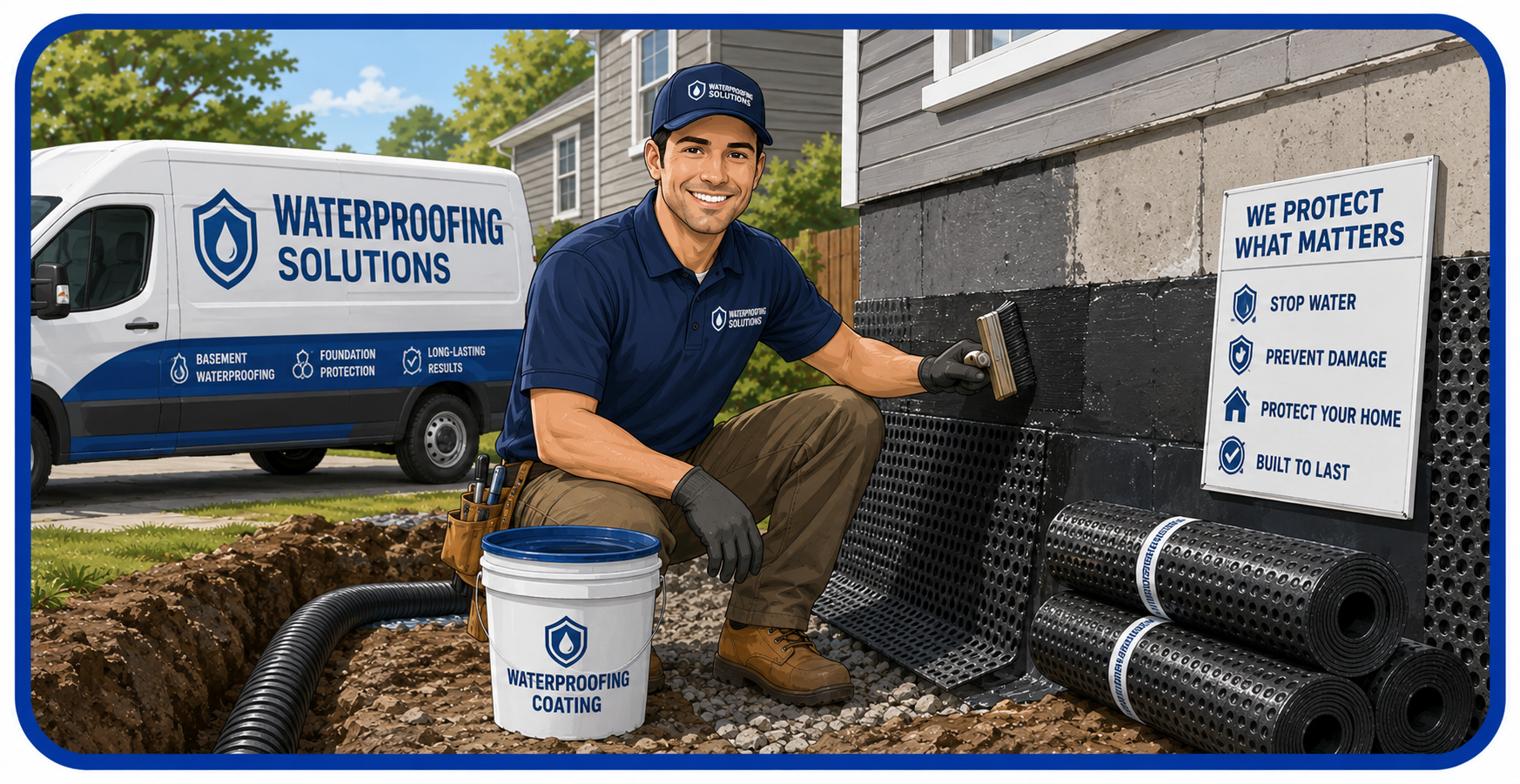
A properly installed interior perimeter drain system intercepts groundwater at the slab edge and routes it to a sump basin before it ever reaches your floor.

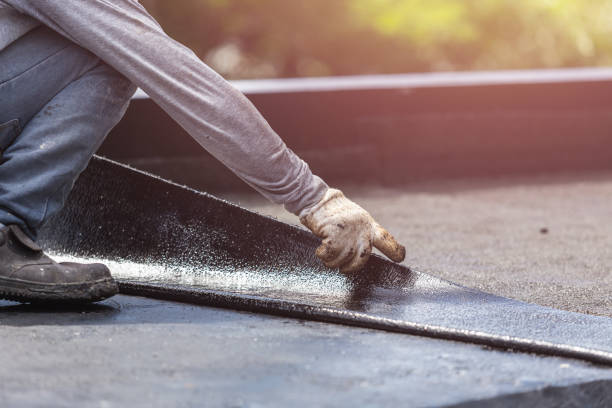
Drain tile that isn't sloped correctly is one of the most common installation failures we see when repairing someone else's prior work — water simply pools instead of flowing to the basin. We verify slope with a level, not by eye.
Every technician is trained specifically on interior drain tile layout, slope, and tie-in to the sump system.
Interior drainage installs are scheduled locally, without routing through a national call center that adds weeks to the timeline.
Pricing is based on linear footage of drain tile needed, quoted in writing after an in-person measurement.
Drain tile that isn't sloped correctly simply won't move water — we verify slope with a level during installation, not just by eye.

We scope every Interior Drainage System job in person before quoting it, since two properties with the same symptom rarely need the same fix.
We route the full perimeter or targeted sections depending on where moisture is actually entering, based on the inspection.
Every interior drain system needs a sump basin as its endpoint — we size the basin and pump to match the drain tile's expected inflow.
For finished basements where cutting the slab isn't practical, a baseboard channel system captures wall seepage without disturbing existing flooring.
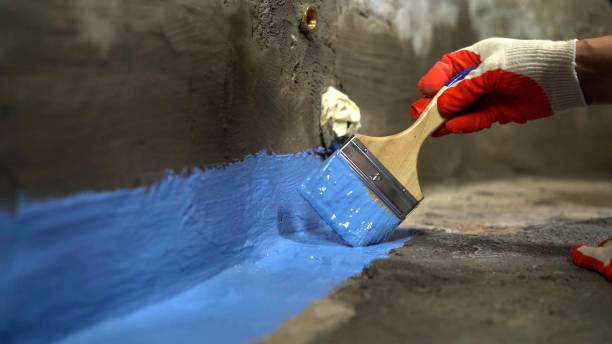
The cove joint where wall meets floor is sealed and tied directly into the drain system so water is captured right at the entry point.
Existing drain tile that's clogged with silt or has failed slope can often be cleaned or repaired rather than fully replaced.

This helps us bring the right materials and estimate linear footage before the visit.
We also check existing drainage, if any, to determine whether repair or new installation makes more sense.
We explain why we're recommending full perimeter versus targeted sections based on what the inspection found.
Most residential interior drainage installs finish in one to three days depending on perimeter length.

"Old drain tile from the 1970s had completely silted up. They cleaned what could be saved and replaced the rest."
— Chatham Homeowner
"Cove joint had been the source of our leak for years and nobody had addressed it until now."
— Chatham Customer
"Explained the slope requirements in a way that actually made sense, not just technical jargon."
— Chatham Homeowner
"Clean install, patched concrete matched the existing floor color almost perfectly."
— Chatham Customer
Full perimeter systems make sense when multiple walls show signs of intrusion or as preventive coverage.
Drain tile requires cutting the slab; a baseboard channel is a lower-disruption alternative that captures wall seepage without floor demolition.
{Sometimes — if the pipe itself is intact but clogged with silt, cleaning can restore function without a full re-installation.|We camera-inspect where accessible to make that determination before recommending replacement.}
Basin size is based on expected water inflow from the drain tile's linear footage and your Chatham, NJ area's typical rainfall intensity.
Cutting the slab does involve some disruption, but we work in sections and clean up debris as we go.
We give you a realistic timeline in the written quote based on your specific basement layout.
We install and repair interior drainage systems throughout Chatham and the surrounding Chatham, NJ service area, including the zip codes listed below.


Zip codes we serve in Chatham, NJ: 7928
One call gets you a licensed specialist, a written quote, and a same-day time window.
Call +1-866-476-1348© SGP Waterproofing. All rights reserved.